
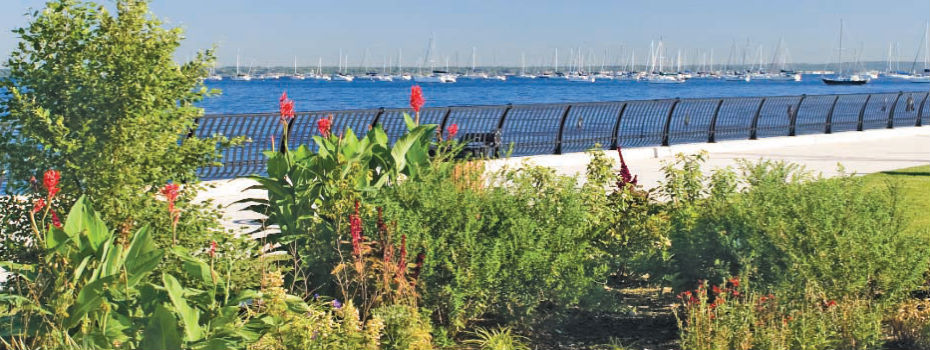
An Environmentally Sound Solution to Stormwater Runoff
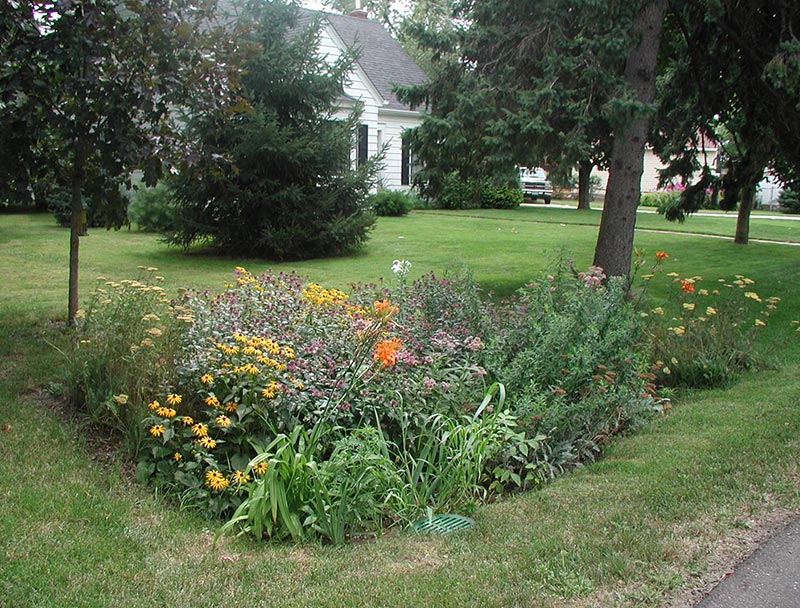 A native plant rain garden is a beautiful way of enhancing your landscape.
The benefits of having a rain garden range from removing standing water in your yard, recharging local groundwater and conserving water to reducing the amount of pests in your yard, creating habitat for birds and butterflies, and reducing the potential of home flooding.
Rain Gardens are designed to contain and absorb water that would otherwise run off a roof or parking lot and end up in the storm drain. Their size can vary, and they can fit into odd shapes and spaces. They are an excellent method of keeping stormwater on site and out of the sewer system.
On this page you will find a range of resources for understanding, designing and maintaining a rain garden in your yard.
Rain Gardens in New Jersey: Getting Started
- Build and maintain a healthy soil with compost and mulch.
- Get to know your yard and decide where the best location is to plant.
- Practice smart watering for healthier plants.
- Adopt pest control practices that do not involve chemicals.
- Landscape naturally.
 Choosing the right plants will naturally repel pests and attract butterflies.
The Native Plant Society of New Jersey published a Rain Garden Manual for New Jersey. This manual includes all information on general facts about rain gardens, what plants to include in an NJ garden, and all tips on planting and maintaining the garden. This is an extremely useful resource all gardeners, ranging from beginning to expert.
Download the entire Rain Garden Manual for New Jersey.
The Wisconsin Department of Natural Resources published and in-depth manual for new gardeners approaching their first rain garden. This manual includes Frequently Asked Questions, how to perform your own soil test, as well as which plants to plant in different environments (for example, full sun and sandy soil, or partial sun and loamy soil). This manual will help you every step of the way in learning about the best way to plant your rain garden.
Download Rain Gardens: A How To Manual for Homeowners
Barnegat Bay Partnership’s “Going Native” Guide to Landscaping with Natural Plants. In 2012, the Barnegat Bay Partnership published a brochure, “Going Native: A Guide to Natural Landscaping with Native Plants in the Barnegat Bay Watershed” which offers tips, suggestions, and easy to use plans for creating a natural landscape for your yard.
Download Going Native: A Guide To Landscaping with Native Plants in the Barnegat Bay Watershed
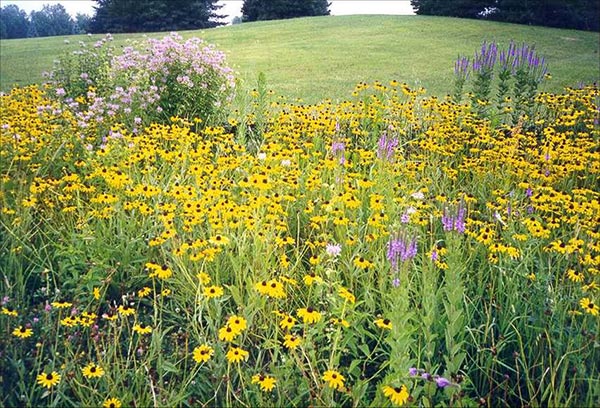 (photo credit: raingardens.org)
Rain Gardens in New Jersey: What to Plant
Using native plants in your gardening is not only beautiful, but functional.
The following is a list of native species that you can plant in the Northeast and Middle Atlantic States that will help build a beautiful garden, as well as attracting butterflies, birds and other wildlife. Be sure to consider the amount of sun or shade available for these plants before you plant them.
Wildflowers, Ferns, Grasses and Sedges:
- Swamp Milkweed
- Common Milkweed
- White Turtlehead
- Joe-Pye Weed
- Cardinal Flower
- Blue Lobelia
- Oswego tea
- Common Ironweed
- Lady Fern
- Royal Fern
- Cinnamon Fern
- Drooping Sedge
- Tussock Sedge
- New England Aster
- Cardinal Flower
- Wild Geranium
- Blue Star
- Turk’s Cap Lily
- White Wood Aster
- Virginia Bluebells
Trees and Shrubs
- Shadbush
- Pawpaw
- River Birch
- Buttonbush
- Sweet Pepperbush
- Silky Dogwood
- Dwarf Fothergilla
- Winterberry Holly
- Spicebush
- Sweet Gum
- American Elderberry
- Arrowwood
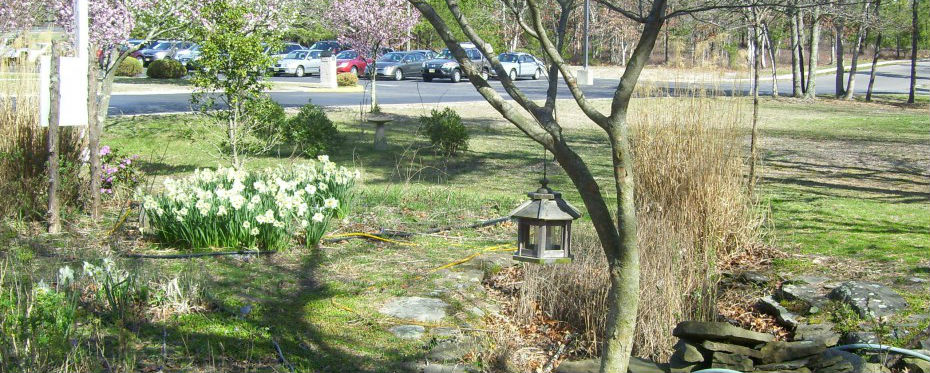
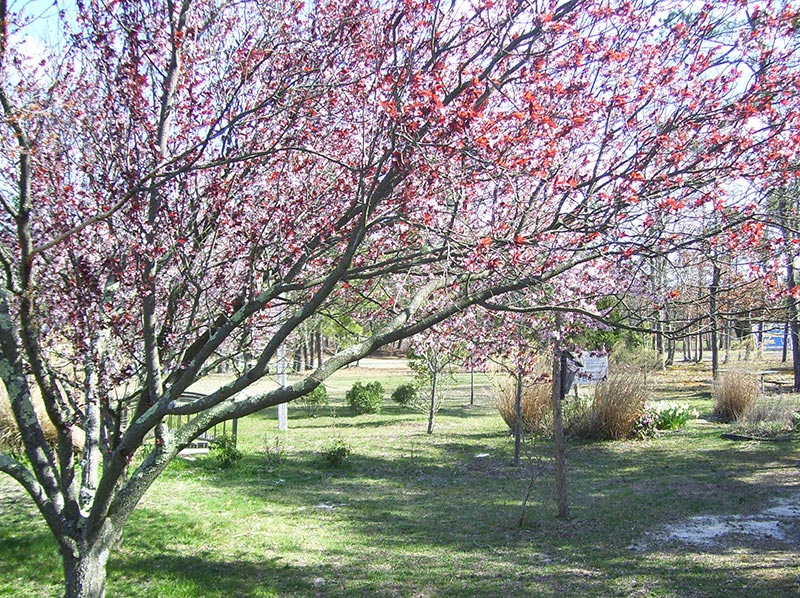
Rain gardens can be designed to look beautiful in every season. The trees and shrubs in the rain garden at Eagleswood Elementary School, pictured here in early spring, enhance the aesthetics.
The Native Plant Society of New Jersey features all native plants for New Jersey, and provides tips on how to keep a garden looking beautiful throughout all four seasons!
Additional Resources
- Ocean County Soil Conservation District- “Outdoor Classrooms”
- Rutgers Co-Operative Extension- “Maintaining Your Rain Garden“
- Raingardens.org- “How to Design and Construct a Professional Successful Rain Garden“
- Center for Watershed Protection- “How to Build a Rain Barrel/How to Build a Rain Garden”
- Minnesota Department of Natural Resources-“Gardening with Water Quality in Mind”
- Rutgers Co-Operative Extension- “Rain Garden Fact Sheet”
- Chesapeake Bay Foundation-“Build Your Own Rain Garden”
- “Sustainable School Projects: Rain Garden”
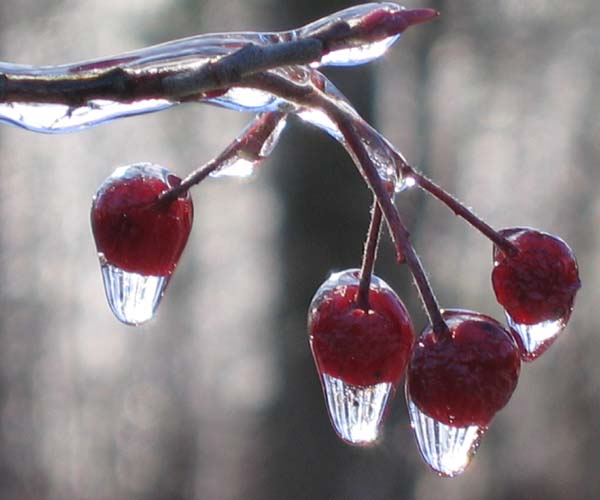 This is a chokeberry through a NJ winter. (photo credit: Native Plant Society of NJ)